

Shanghai OFEC Machinery Co., Ltd.

Shanghai OFEC Machinery Co., Ltd.

E-mail: david@emccindustry.com

Contact Us
Home / Product / Disc Granulation Line

Disc Granulation Line

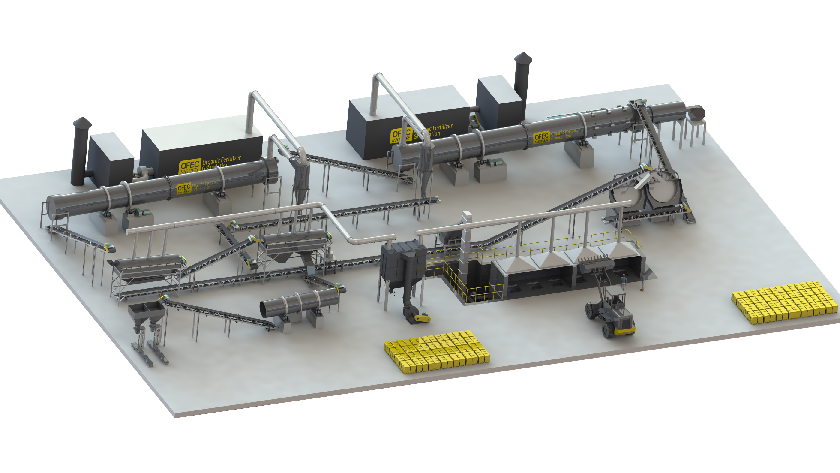
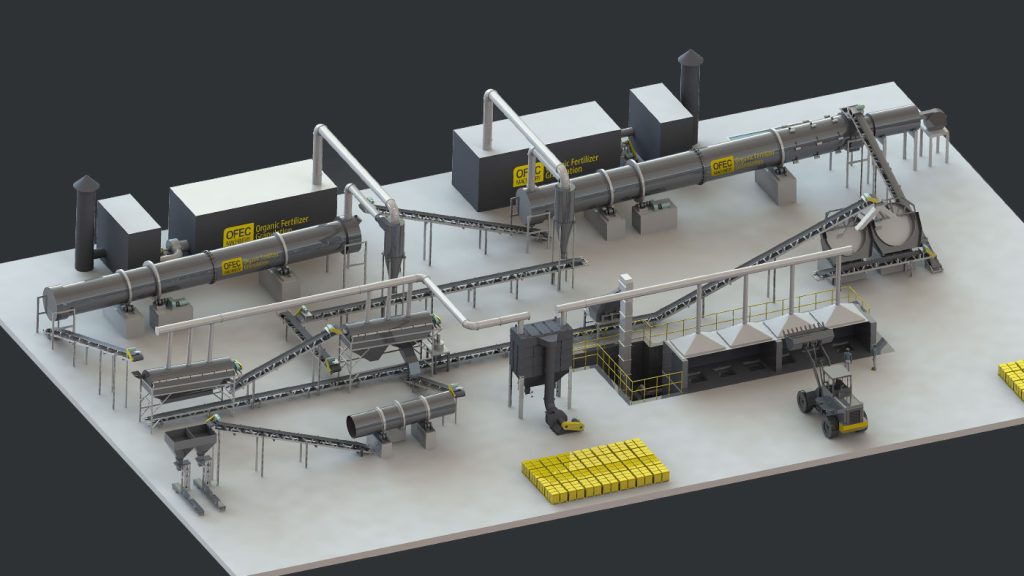
Characterized by simple structure, low investment, and flexible operation, suitable for small to medium-scale organic fertilizer production and frequent formula changes. Produces uniform, spherical granules with good appearance. Capacity range: 1–6 TPH.

Production Line Overview

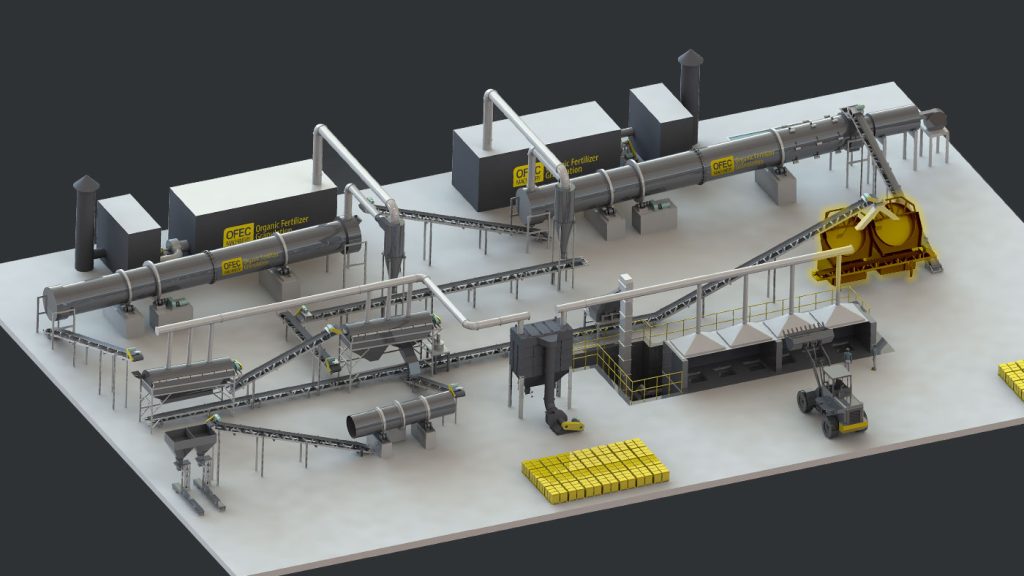
Centered around the disc granulator, it features simple structure, low investment, and quick changeover. Well-suited for processing livestock manure, straw, and biogas residue, this line offers low operating costs and is ideal for startups, farm-based facilities, and frequent formula switching.
OFEC Disc Granulation Line is an economical solution for small to medium-scale organic fertilizer projects and flexible production needs.

Production Line Specifications

Parameter

Details

Suitable Raw Materials

Livestock manure, straw, biogas residue, sludge, organic waste, etc.

Granulation Method

Disc agglomeration (wet process)

Capacity Range

1–6 t/h (customizable)

Pellet Shape

Spherical or oval, diameter 2–8 mm

Drying Method

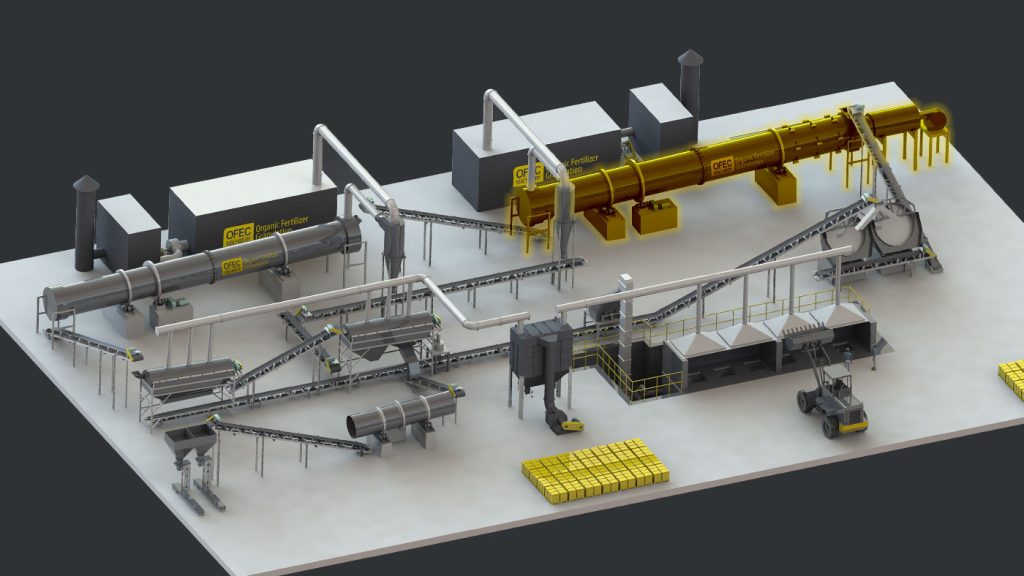
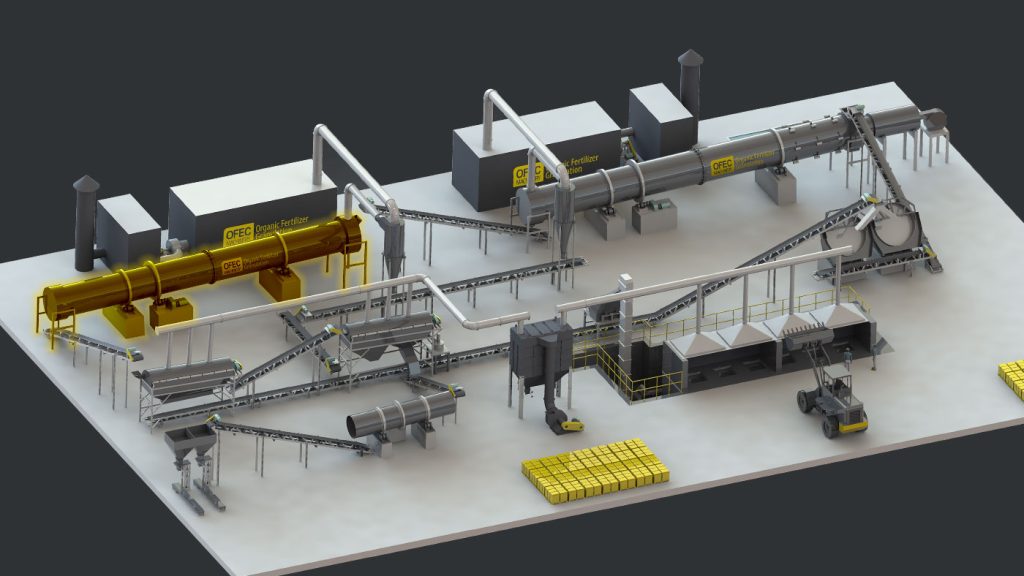
Rotary drum dryer with heat sources: coal, gas, oil, or biomass

Final Moisture Content

≤15%

Line Configuration

Batching, crushing, mixing, granulation, drying, cooling, screening, packaging, dust collection

Parameter
Details
Suitable Raw Materials
Livestock manure, straw, biogas residue, sludge, organic waste, etc.
Granulation Method
Disc agglomeration (wet process)
Capacity Range
1–6 t/h (customizable)
Pellet Shape
Spherical or oval, diameter 2–8 mm
Drying Method
Rotary drum dryer with heat sources: coal, gas, oil, or biomass
Final Moisture Content
≤15%
Line Configuration
Batching, crushing, mixing, granulation, drying, cooling, screening, packaging, dust collection

Working Principle of Organic Fertilizer Granulation
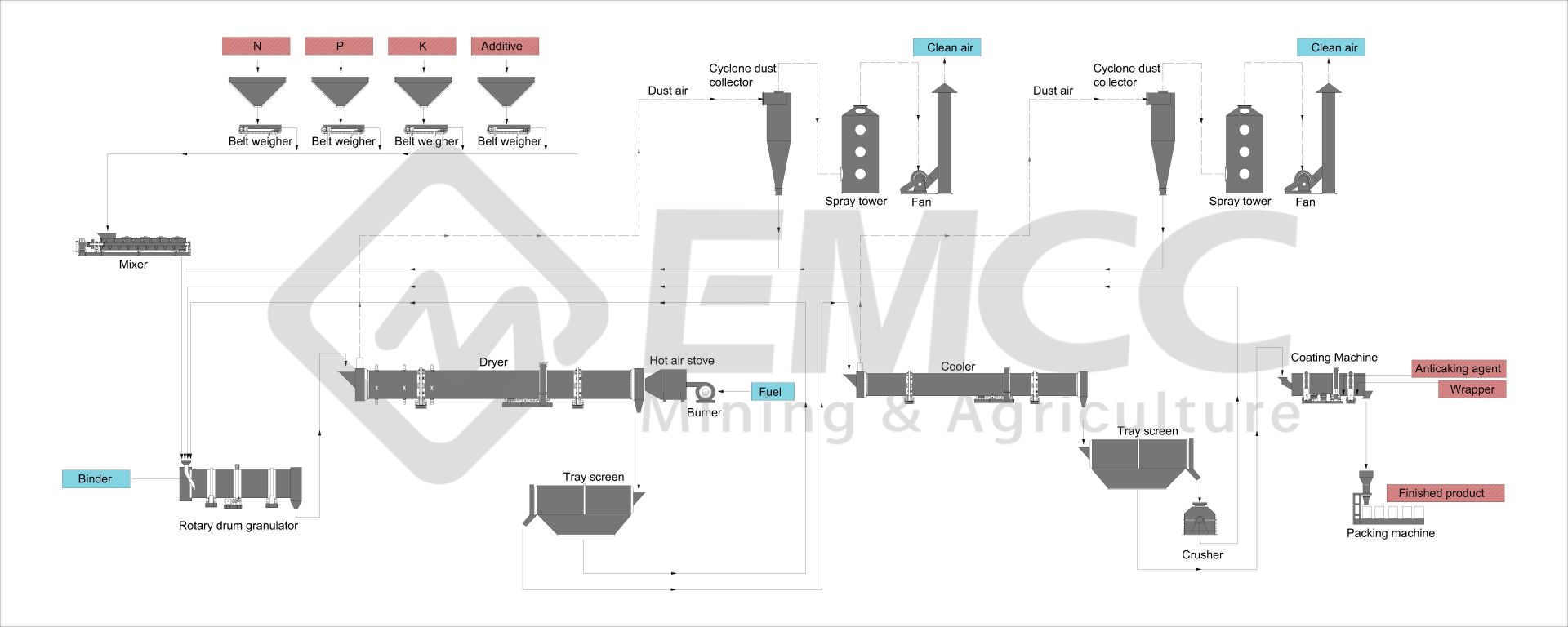
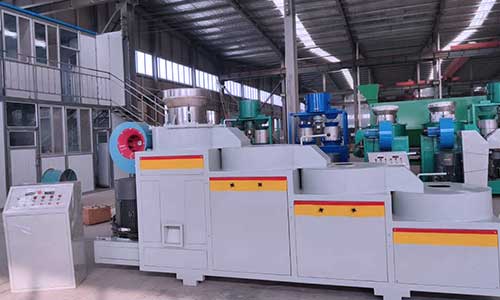
Disc granulation is a wet agglomeration process. The material rolls and tumbles inside an inclined rotating disc due to the disc’s rotation. Simultaneously, water or binding agents are sprayed to moisten fine powders, causing them to adhere, roll, and compress into spherical pellets. Both the disc inclination (35°–55°) and rotation speed are infinitely adjustable, allowing operators to adjust parameters in real time based on raw material characteristics and target pellet size. The granulation process is intuitive and visible. Once pellets reach the desired size, they naturally discharge from the disc edge, then go through drying, cooling, and screening to obtain finished products.

Main Equipment of the Disc Granulation Line

Equipment

Function

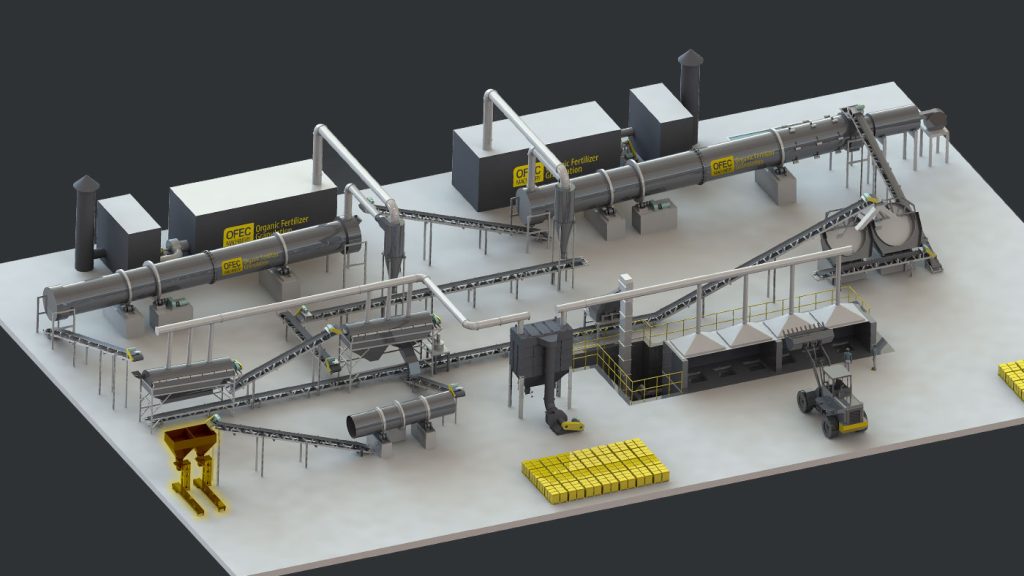
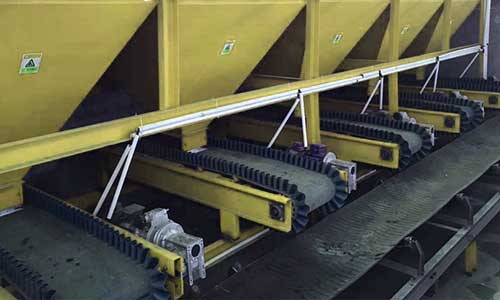
Batching System

Continuous batching for 2–6 materials – simple or automatic batching options

Crusher

Vertical/horizontal chain crusher – reduces large lumps to suitable particle size

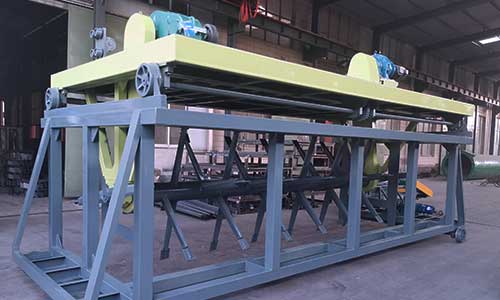
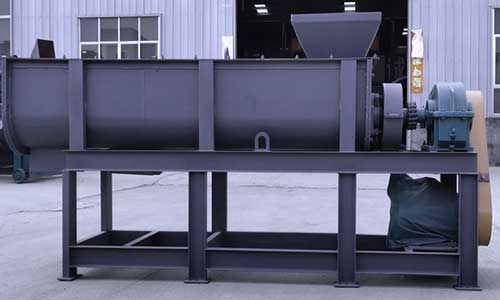
Mixer

Twin‑shaft mixer – uniformly blends materials, moisture, and binders

Disc Granulator

Core equipment – disc diameter 0.5–4.5 m, capacity 1–6 t/h (standard models) – rolling agglomeration

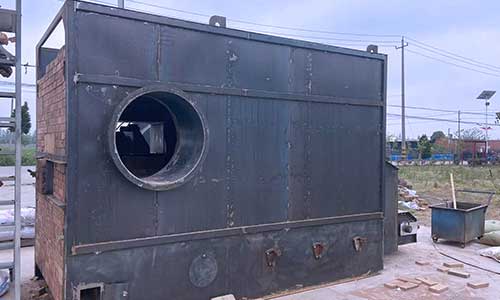
Dryer

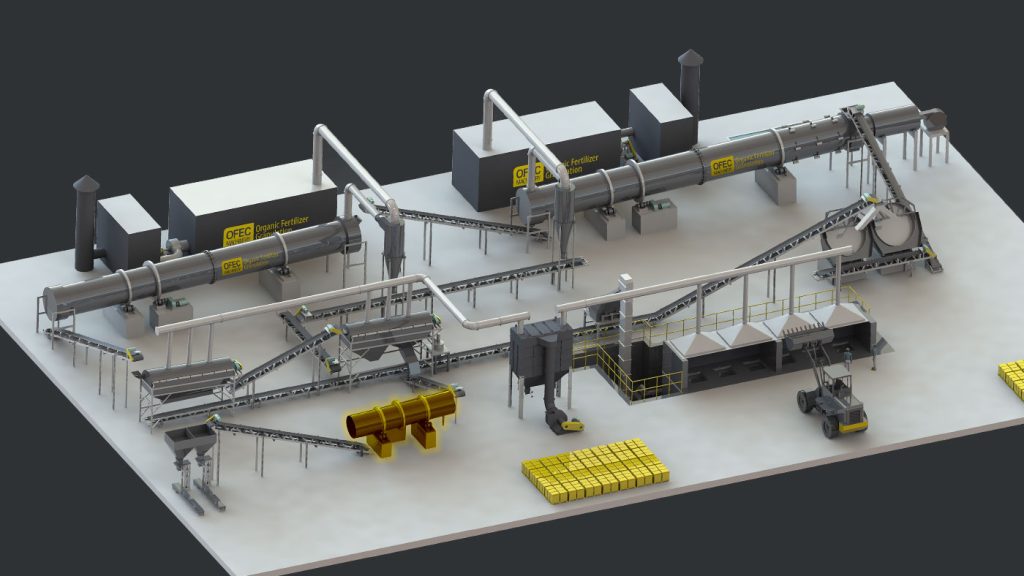
Rotary dryer – reduces pellet moisture to safe storage level

Cooler

Rotary cooler – lowers pellet temperature to prevent moisture regain (can be simplified or omitted for small lines)

Screener

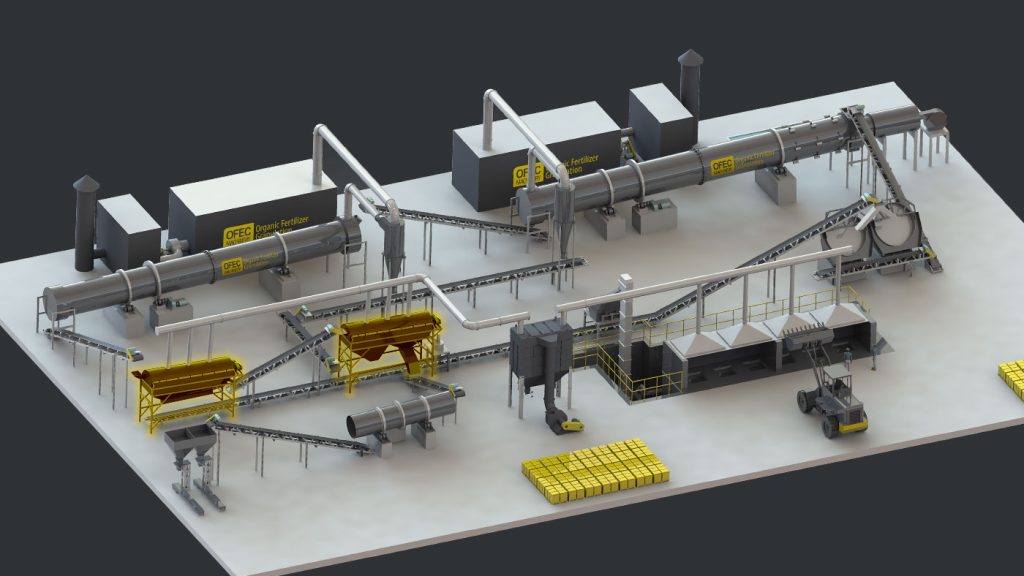
Trommel or vibrating screen – separates finished pellets from returns

Coating Machine

Optional – for anti‑caking or functional coating

Packaging Machine

Open‑mouth bag or ton bag – automatic metering optional

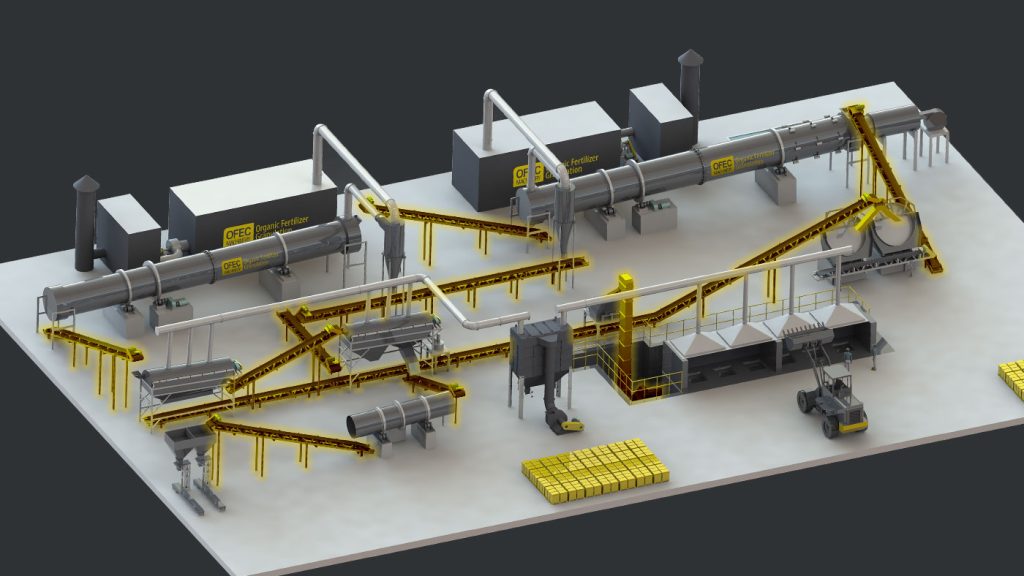
Conveying System

Belt or screw conveyor – connects all main equipment

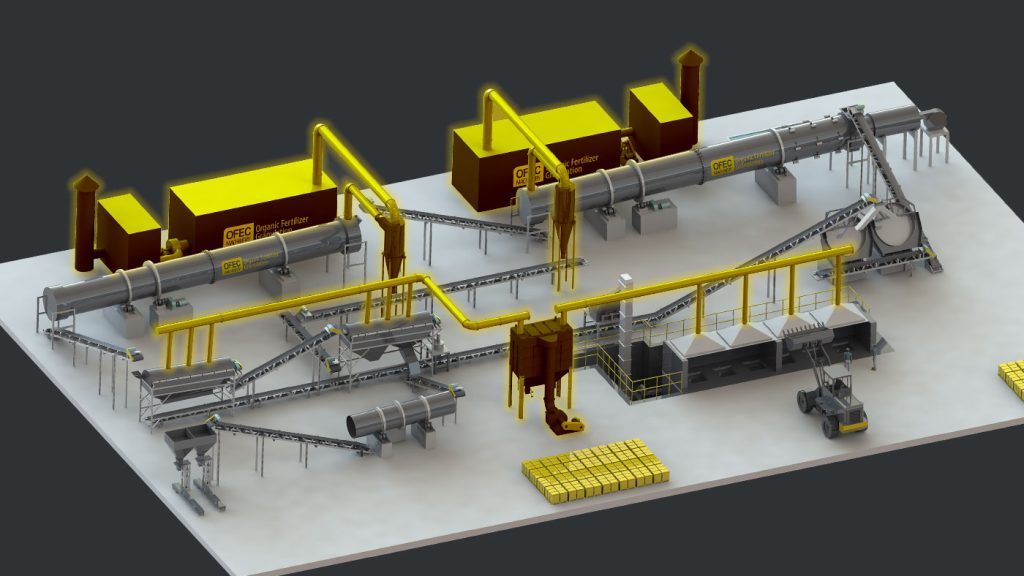
Dust Collection System

Pulse jet bag filter or simple cyclone – controls dust emissions

Equipment

Function

Batching System
Continuous batching for 2–6 materials – simple or automatic batching options
Crusher
Vertical/horizontal chain crusher – reduces large lumps to suitable particle size
Drum Granulator
Core equipment – disc diameter 0.5–4.5 m, capacity 1–6 t/h (standard models) – rolling agglomeration
Dryer
Rotary dryer – reduces pellet moisture to safe storage level

Cooler

Rotary cooler – lowers pellet temperature to prevent moisture regain (can be simplified or omitted for small lines)
Screener
Trommel or vibrating screen – separates finished pellets from returns
Coating Machine
Optional – for anti‑caking or functional coating
Packaging Machine
Open‑mouth bag or ton bag – automatic metering optional
Conveying System
Belt or screw conveyor – connects all main equipment
Dust Collection System
Pulse jet bag filter or simple cyclone – controls dust emissions

Key Advantages of OFEC Disc Granulation Line

Customizable Disc Materials
Carbon steel, stainless steel, wear‑resistant liners – suitable for different material corrosiveness and abrasion levels.
Stepless Adjustment of Inclination & Speed
Disc angle adjustable from 35° to 55°; variable frequency speed control – precise control of pellet size and output.
Optimized Spray System
Multi‑point atomized spraying – even moistening, higher granulation rate, reduced powder waste.
Proven Process Technology
Validated through multiple global projects – stable granulation rate of 80%–90%, reliable operation.
Turnkey Delivery
Full services from design, manufacturing, installation, and commissioning to training – minimizing coordination costs.
Scalable and Upgradeable
Supports later addition of drying, cooling, coating modules – meeting future capacity or product upgrade needs.

Advantages and Disadvantages for Organic Fertilizer Granulation

Advantages
● Low Investment Threshold: Simple structure and low manufacturing cost – ideal for startups or budget‑limited projects.
● Flexible Changeover: Adjustable angle and speed; easy cleaning – suitable for multiple formulas and small batch switching.
● Intuitive Operation: Visible granulation process with real‑time parameter adjustment – easy to master.
● Small Footprint: Short overall line length – low space requirements, easy installation.
● Simple Maintenance: Few moving parts – easy daily maintenance and quick replacement of wear parts, minimizing downtime.
Disadvantages
● Limited Single‑Unit Capacity: Typical capacity 1–6 t/h – not suitable for very large‑scale production.
● Slightly Lower Pellet Strength: Lower compaction compared to drum granulation – care needed during storage and transport.
● Higher Dust Control Requirement: Dust generation during operation – dust collection equipment recommended.
● Operator Experience Dependent: Granulation results influenced by operator skill – requires proper training.

Advantages
Low Investment Threshold
Simple structure and low manufacturing cost – ideal for startups or budget‑limited projects.
Flexible Changeover
Adjustable angle and speed; easy cleaning – suitable for multiple formulas and small batch switching.
Intuitive Operation
Visible granulation process with real‑time parameter adjustment – easy to master.
Small Footprint
Short overall line length – low space requirements, easy installation.
Simple Maintenance
Few moving parts – easy daily maintenance and quick replacement of wear parts, minimizing downtime.
Disadvantages
Limited Single‑Unit Capacity
More expensive than disc or extrusion lines.
Slightly Lower Pellet Strength
Lower compaction compared to drum granulation – care needed during storage and transport.
Higher Dust Control Requirement
Dust generation during operation – dust collection equipment recommended.
Operator Experience Dependent
Granulation results influenced by operator skill – requires proper training.

Contact a Process Engineer to evaluate the technical solution.

Resources

Scroll to Top