

Shanghai OFEC Machinery Co., Ltd.

Shanghai OFEC Machinery Co., Ltd.

E-mail: david@emccindustry.com

Contact Us
Home / Product / E1 Станция по производству удобрений 500KG

E1 Fertilizer Production Station

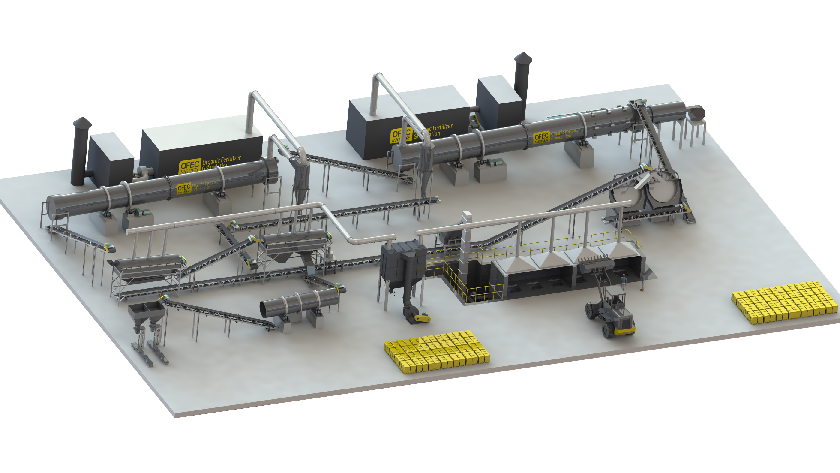
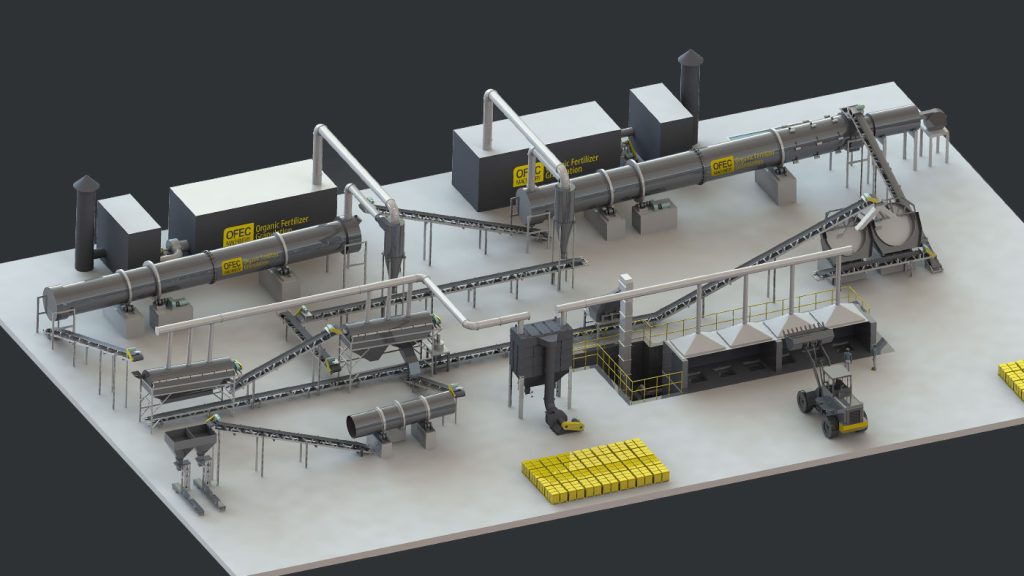
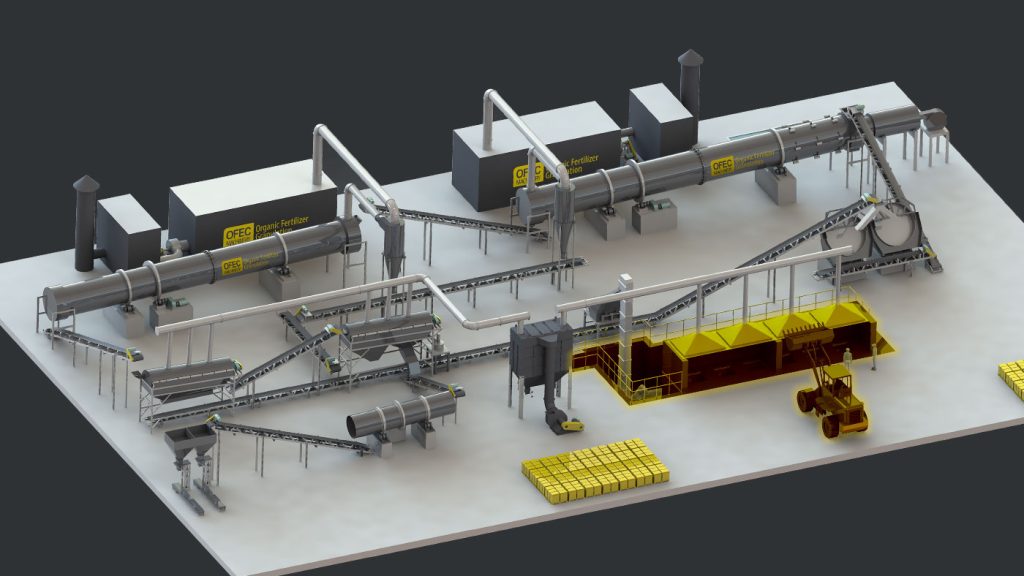
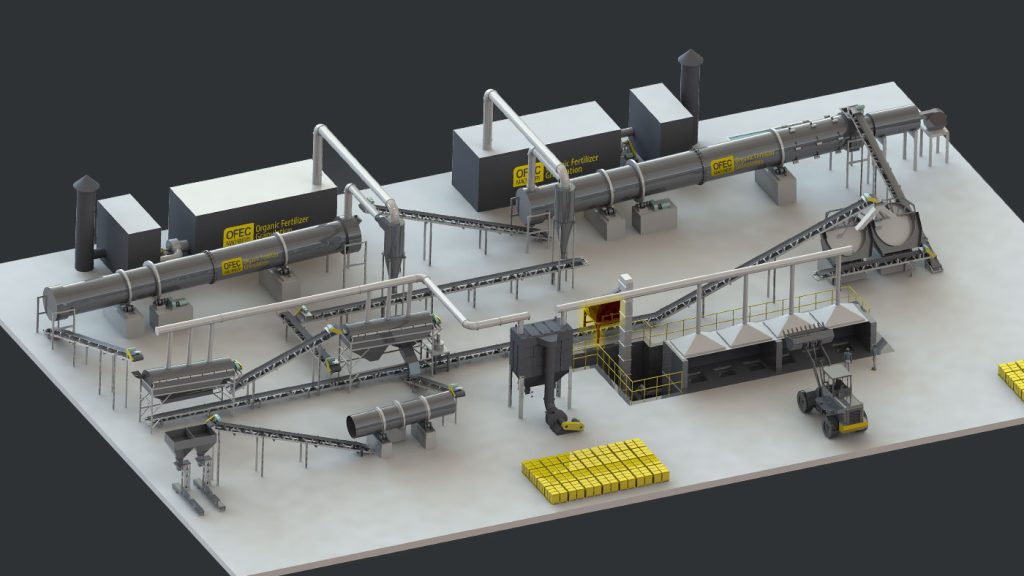
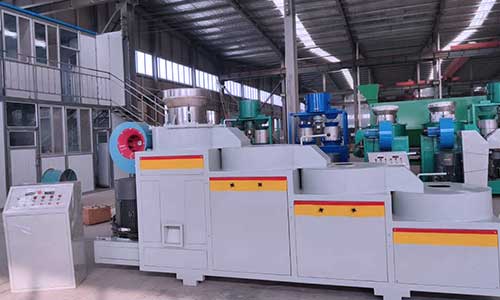
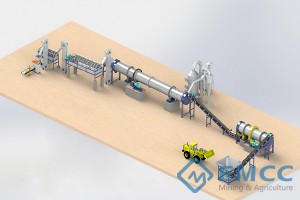
The E1 Fertilizer Production Station is a compact, combined granulation line designed for small-scale organic fertilizer production, with a capacity of 0.5–1.5 T/H. Featuring small footprint, low investment, and easy installation, it covers the complete process from feeding, drum granulation, drying, screening to dust collection in one integrated system.

Production Line Overview

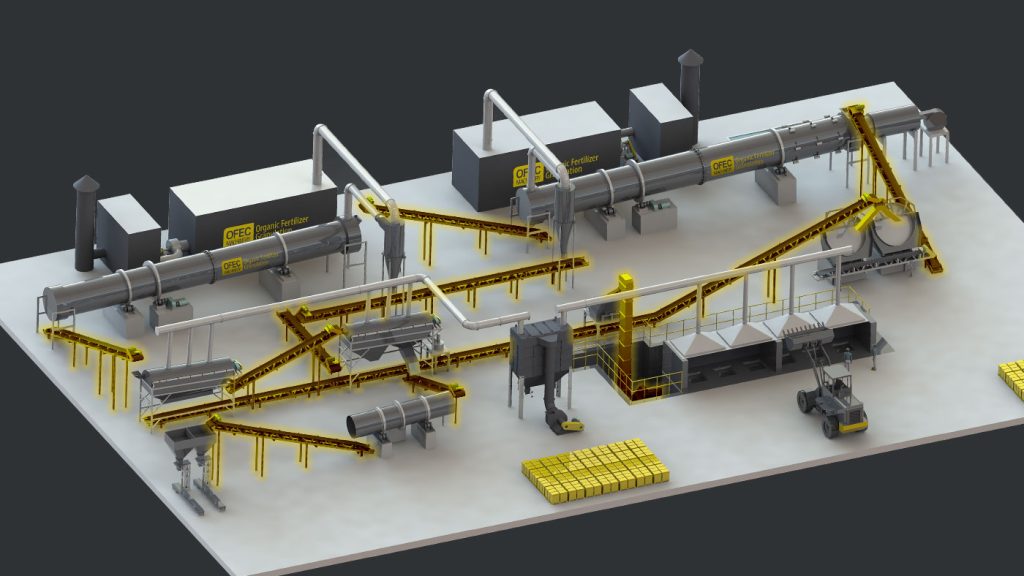
Widely praised for its ingenious design, small footprint, simple operation, easy installation, and low investment, it is the ideal choice for investors looking to enter the organic fertilizer market with a small-scale production line. Although it is a combined station, the E1 includes almost all essential components required for an organic fertilizer granulation line.
The E1 Fertilizer Production Station is a compact, combined granulation line developed by OFEC for small-scale organic fertilizer production, with a capacity range of 0.5–1.5 T/H.

Production Line Specifications

Parameter

Details

Suitable Raw Materials

Livestock manure, straw, biogas residue, sludge, organic waste, etc.

Granulation Method

Drum agglomeration (wet process)

Capacity Range

0.5–1.5 T/H

Pellet Shape

Spherical or oval, diameter 2–6 mm

Drying Method

Rotary drum dryer with burner/combustion chamber

Final Moisture Content

≤15%

Line Configuration

Feeding, granulation, drying, screening, dust collection, steel support

Parameter
Details
Suitable Raw Materials
Livestock manure, straw, biogas residue, sludge, organic waste, etc.
Granulation Method
Drum agglomeration (wet process)
Capacity Range
0.5–1.5 T/H
Pellet Shape
Spherical or oval, diameter 2–8 mm
Drying Method
Rotary drum dryer with burner/combustion chamber
Final Moisture Content
≤15%
Line Configuration
Feeding, granulation, drying, screening, dust collection, steel support

Working Principle of Organic Fertilizer Granulation
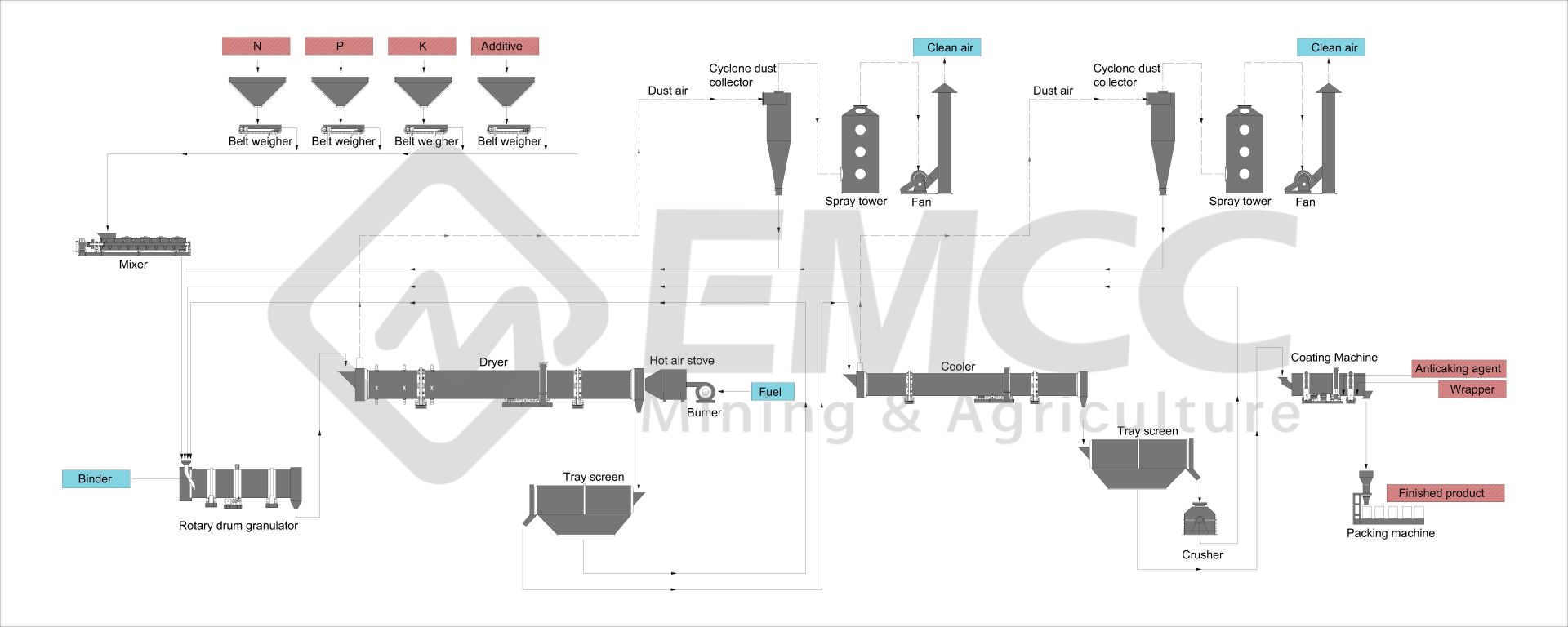
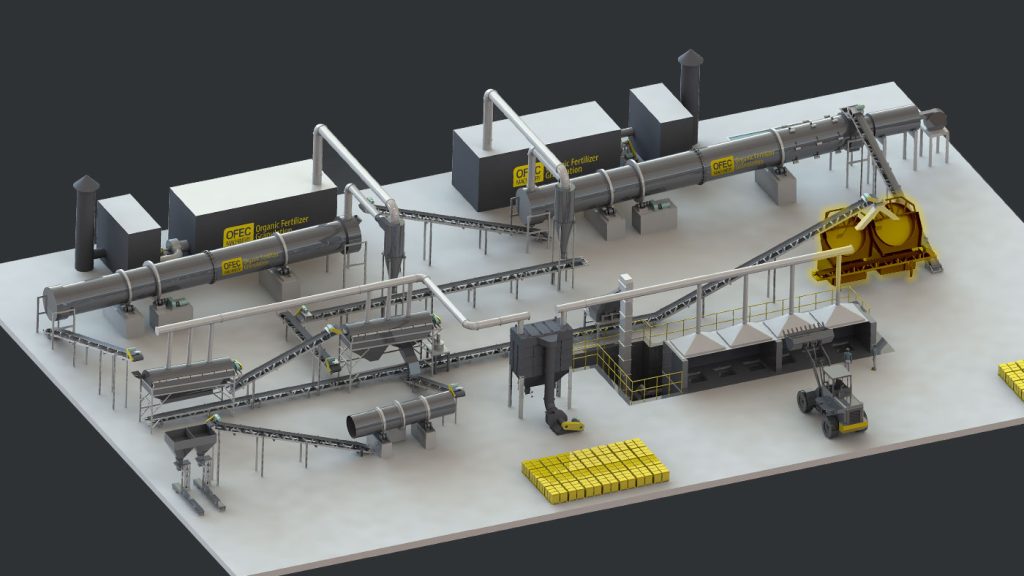
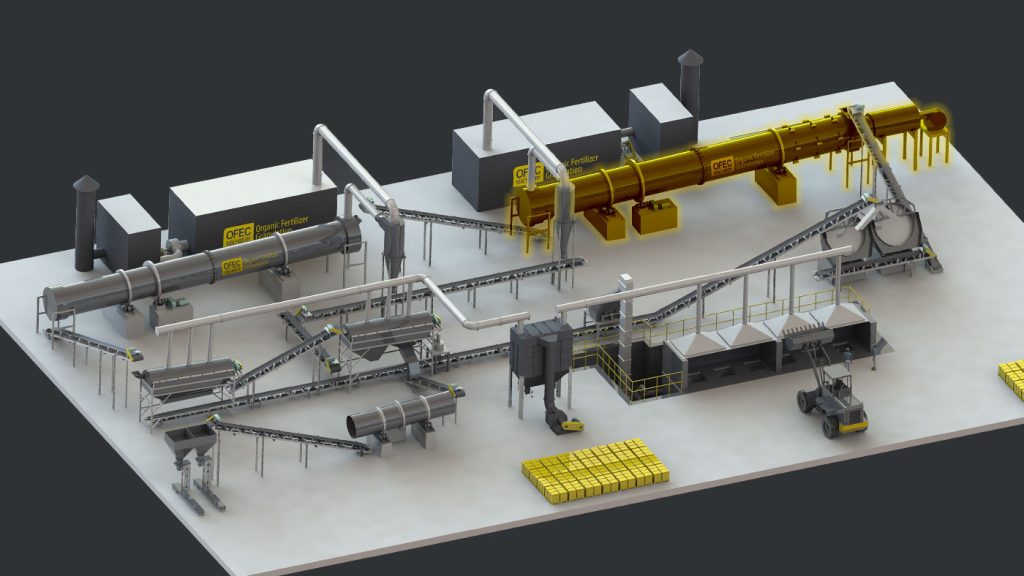
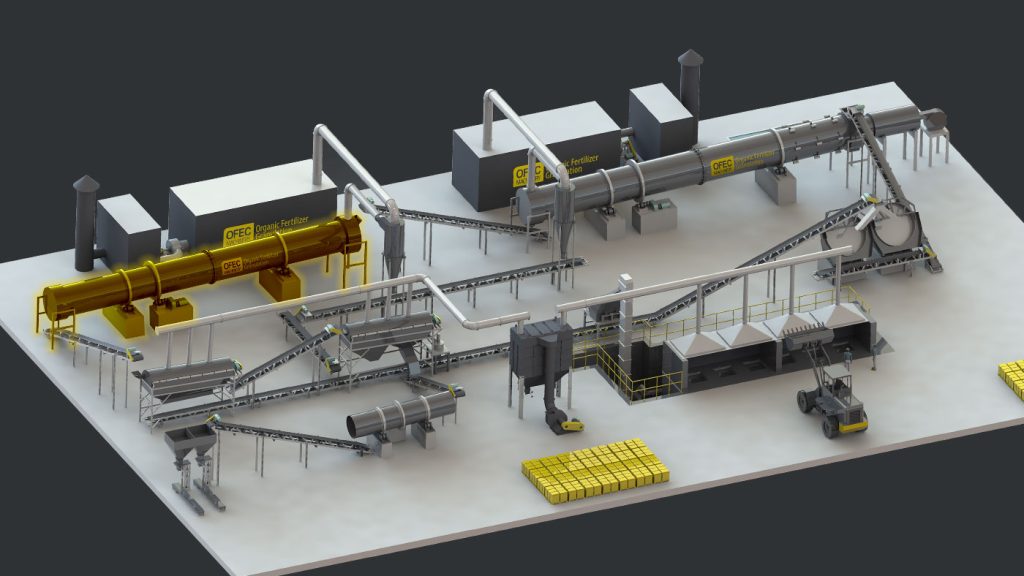
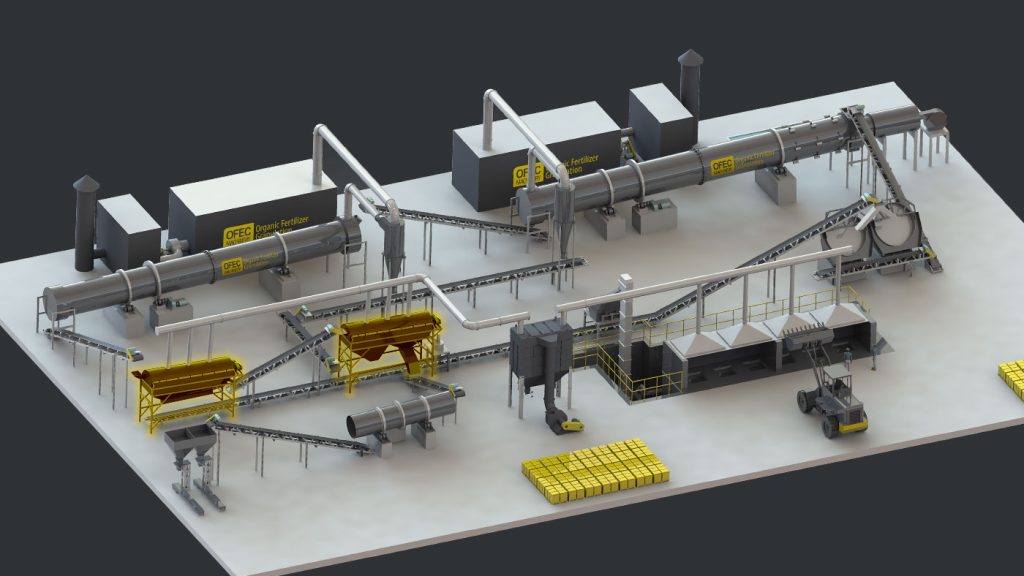
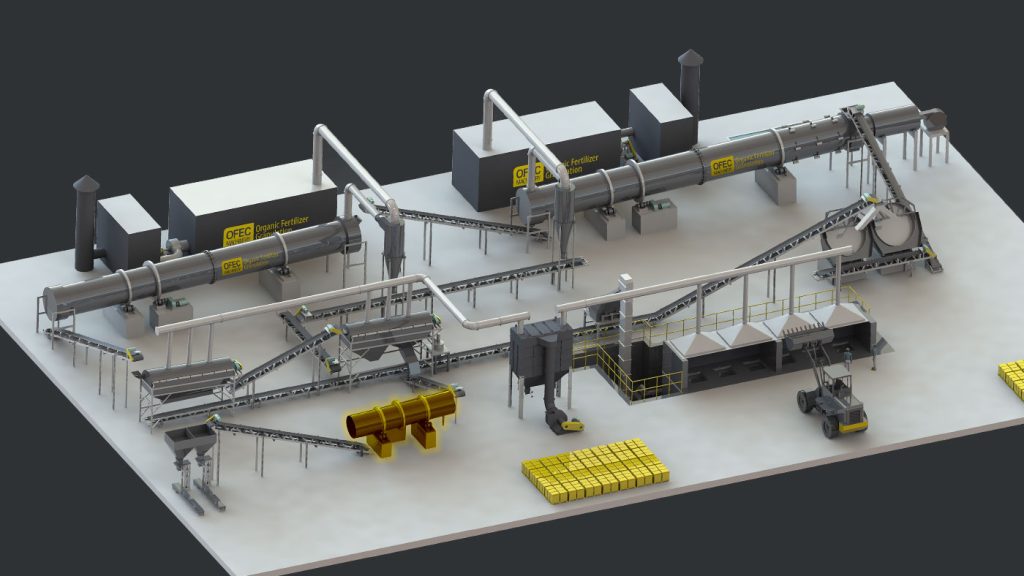
The E1 Fertilizer Production Station uses drum granulation technology. Organic raw materials are fed into the drum granulator, where they roll and tumble as the drum rotates. Simultaneously, water or binding agents are sprayed to moisten the fine powders, causing them to adhere and agglomerate into spherical pellets. The pellets then pass through the rotary dryer to reduce moisture content, followed by screening to separate finished organic fertilizer pellets from fines. The dust collector ensures clean operation by capturing airborne particles.

Main Equipment of the E1 Fertilizer Production Station

Equipment

Function

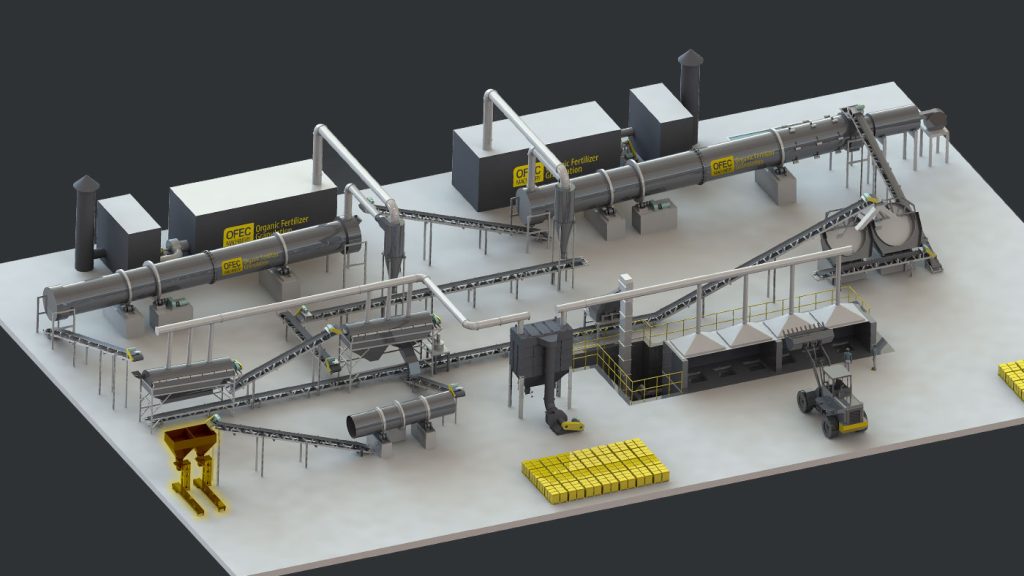
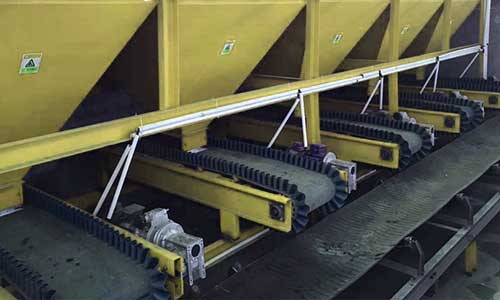
Raw Material Feeding System

Feeds organic raw materials into the drum granulator at a controlled rate

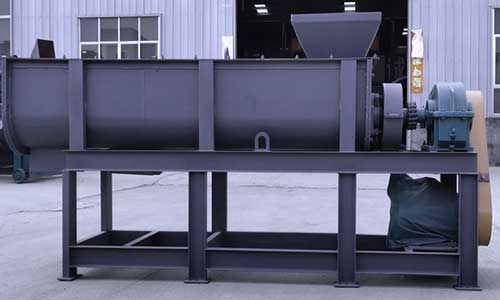
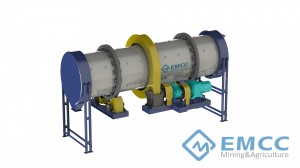
Drum Granulator

Core equipment – forms spherical organic fertilizer pellets through rolling agglomeration

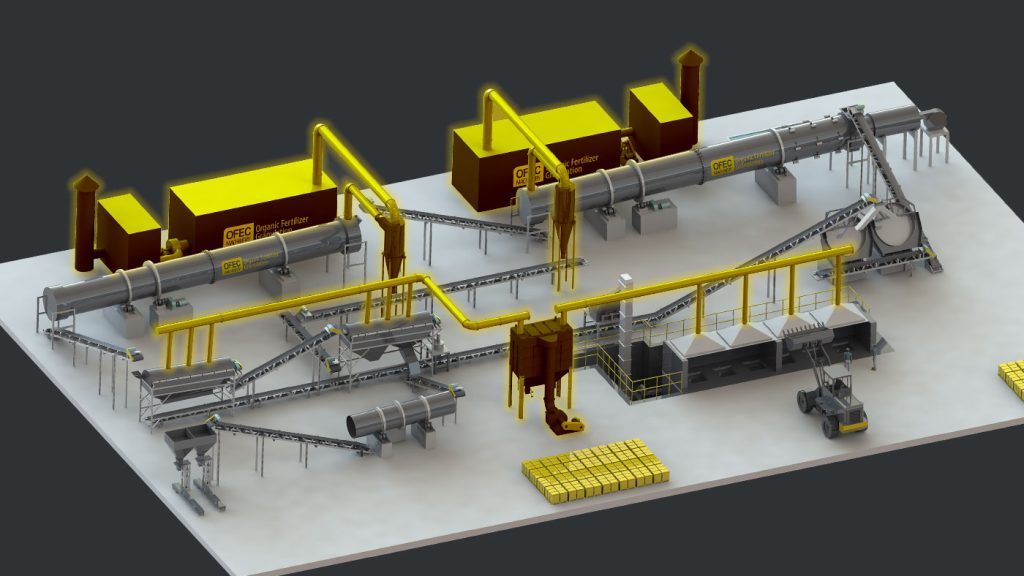
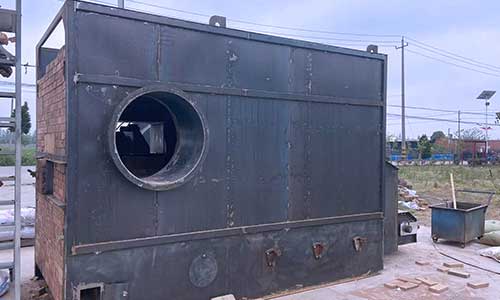
Burner & Combustion Chamber

Provides heat source for the rotary dryer

Rotary Dryer

Reduces organic fertilizer pellet moisture to safe storage level

Drum Screening System

Separates finished pellets from fines (fines can be returned to the granulator)

Dust Collector

Captures dust particles for clean and compliant operation

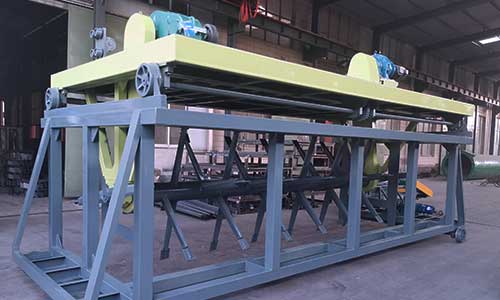
Steel Support System

Provides structural support for the entire station

Equipment

Function

Raw Material Feeding System
Feeds organic raw materials into the drum granulator at a controlled rate
Drum Granulator
Core equipment – forms spherical organic fertilizer pellets through rolling agglomeration
Burner & Combustion Chamber
Provides heat source for the rotary dryer
Rotary Dryer
Reduces organic fertilizer pellet moisture to safe storage level
Drum Screening System
Separates finished pellets from fines (fines can be returned to the granulator)
Dust Collector
Captures dust particles for clean and compliant operation
Steel Support System
Provides structural support for the entire station

Key Advantages of OFEC E1 Fertilizer Production Station

All-in-One Design
Combines feeding, granulation, drying, screening, and dust collection in a compact, integrated system – dedicated for organic fertilizer production.
Cost-Effective Entry Point
Minimal initial investment – ideal for testing the organic fertilizer market or small-scale production.
Space-Saving Layout
Occupies only a fraction of the space required for a full-scale production line.
Quick Installation & Commissioning
Pre-engineered and pre-tested – faster delivery and startup.
Proven Technology
Based on mature drum granulation and drying processes, optimized for organic materials.
Expandable
Can be upgraded or supplemented with additional equipment as production scales up.

Advantages and Disadvantages for Organic Fertilizer Granulation

Advantages
● Compact Design: Small footprint – ideal for facilities with limited space.
● Low Investment: Affordable entry point for small-scale organic fertilizer producers.
● Easy Installation: Pre-engineered combined station simplifies setup and reduces installation time.
● Simple Operation: User-friendly design requires minimal operator training.
● Dedicated for Organic Fertilizer: Optimized for processing organic materials such as manure, straw, and biogas residue.
Disadvantages
● Limited Capacity: Designed for 0.5–1.5 T/H – not suitable for large-scale organic fertilizer production.
● Less Flexible: Combined station format offers less customization compared to modular lines.
● Single Granulation Method: Currently only supports drum granulation.

Advantages

Compact Design

Small footprint – ideal for facilities with limited space.

Low Investment

Affordable entry point for small-scale organic fertilizer producers.
Easy Installation
Pre-engineered combined station simplifies setup and reduces installation time.
Simple Operation
User-friendly design requires minimal operator training.
Dedicated for Organic Fertilizer
Optimized for processing organic materials such as manure, straw, and biogas residue.
Disadvantages
Limited Capacity
Designed for 0.5–1.5 T/H – not suitable for large-scale organic fertilizer production.
Less Flexible
Combined station format offers less customization compared to modular lines.
Single Granulation Method

Currently only supports drum granulation.

Contact a Process Engineer to evaluate the technical solution.

Resources

Scroll to Top